
Open-Cell vs. Closed-Cell Spray Foam Insulation Services: Which Is Right for Tampa Homes?
Are you trying to decide between open-cell and closed-cell spray foam for your Tampa home? In this article, we break down the key differences between the two foam types, from R-values and moisture control to cost, so you can choose the right spray foam insulation services for your home. For most Tampa homes, closed-cell spray foam is the better choice due to its moisture resistance in Florida's humid climate, but understanding the full picture can mean lower energy bills and a more comfortable home year-round.
What Is the Difference Between Open-Cell and Closed-Cell Spray Foam?
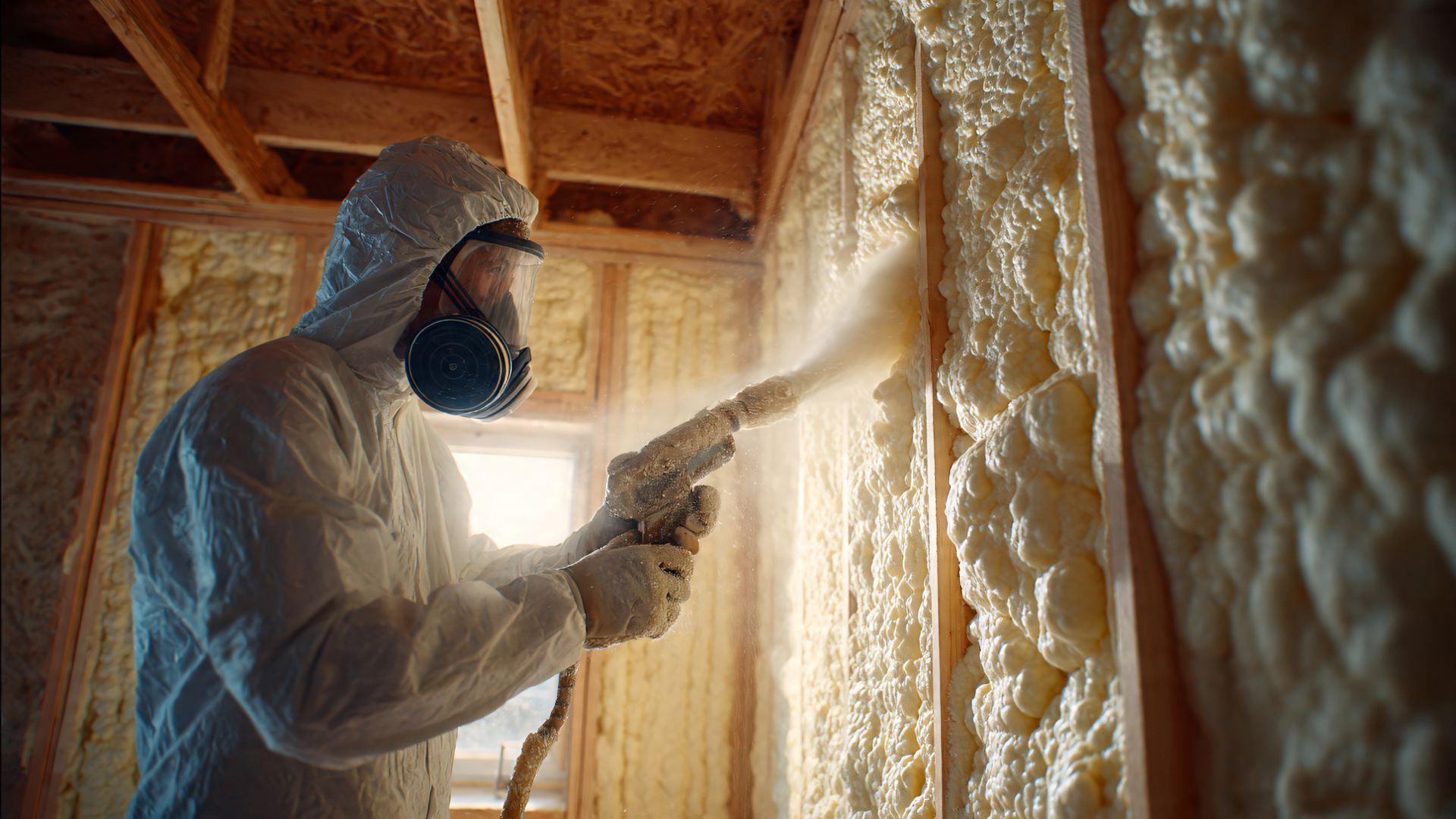
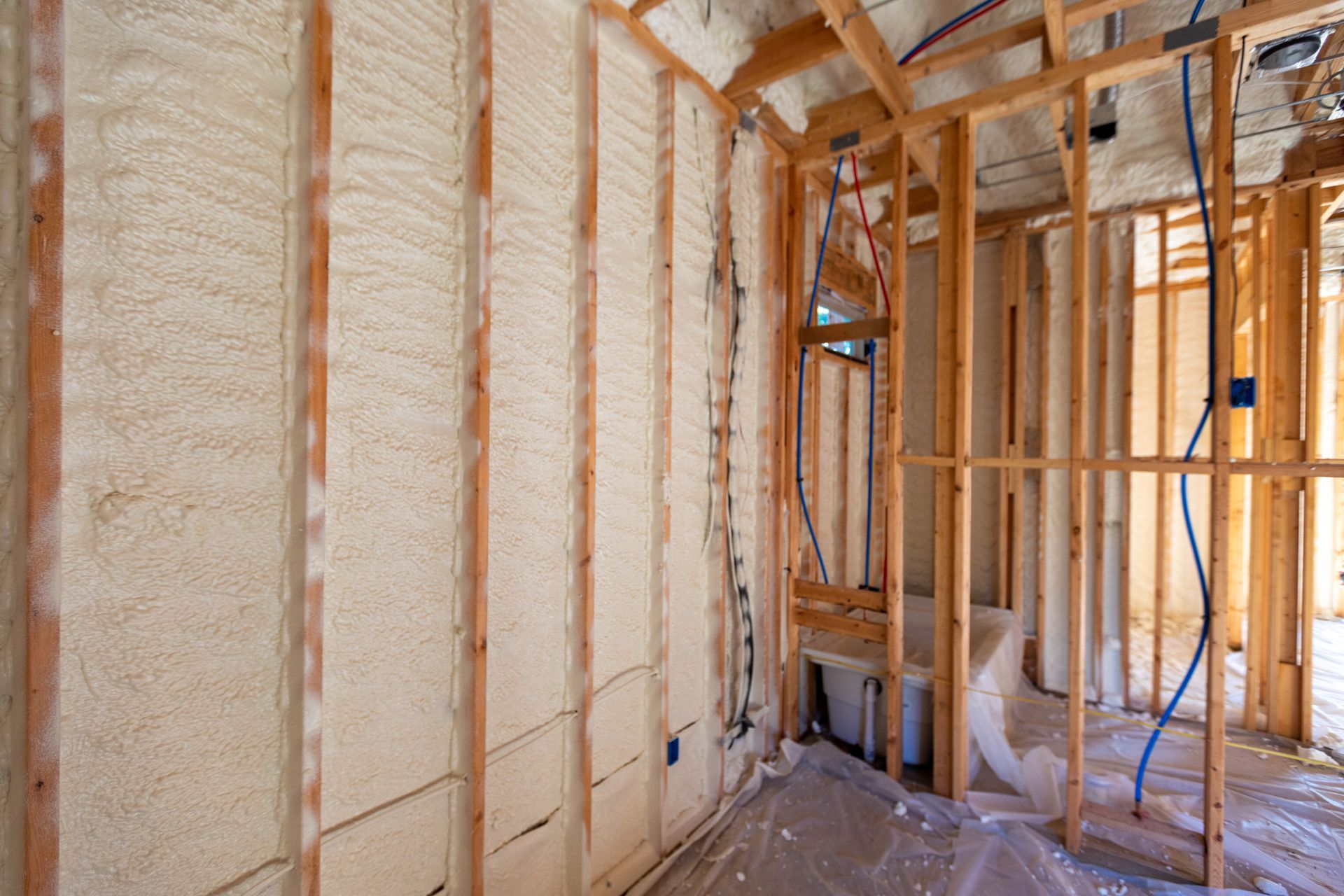
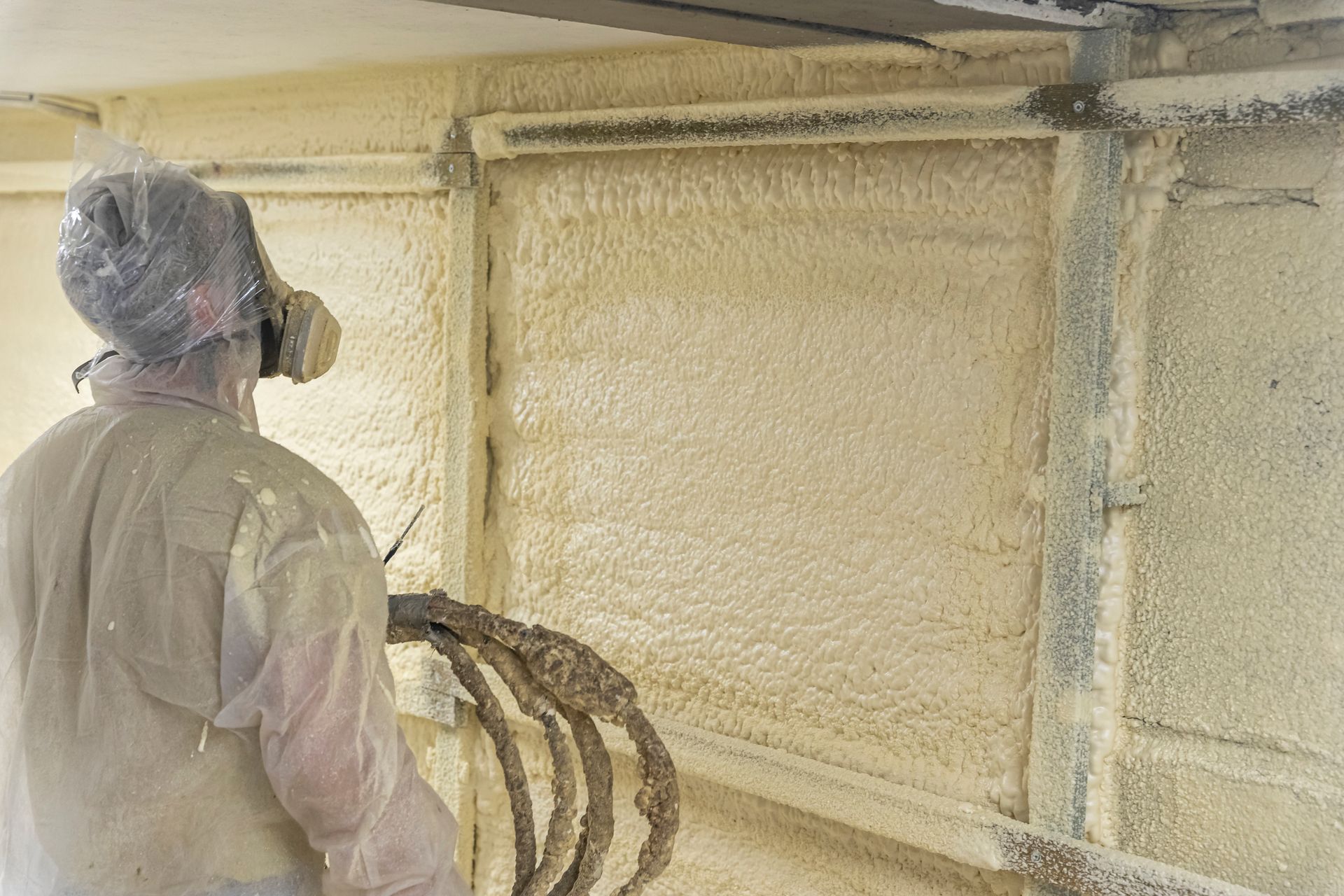
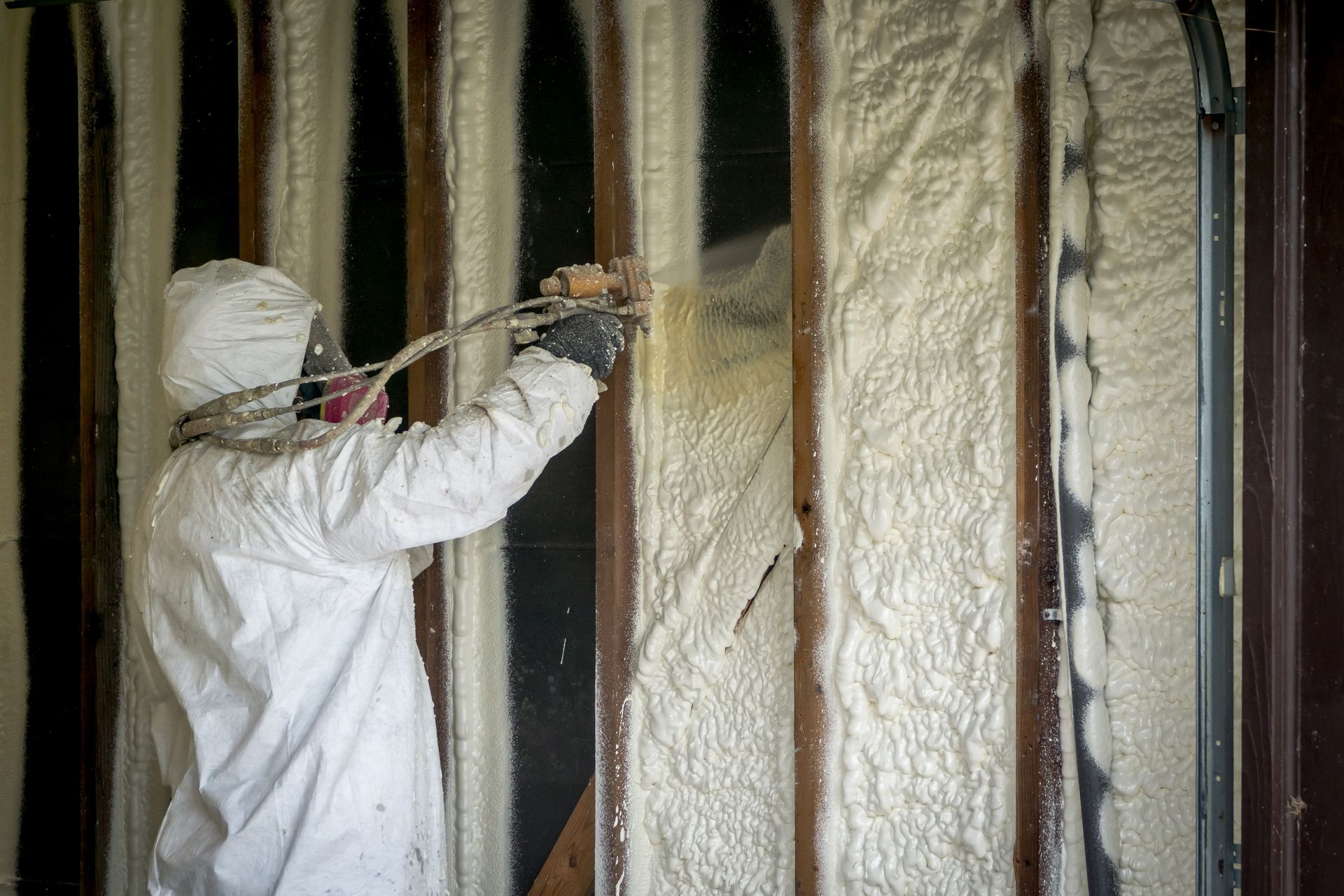
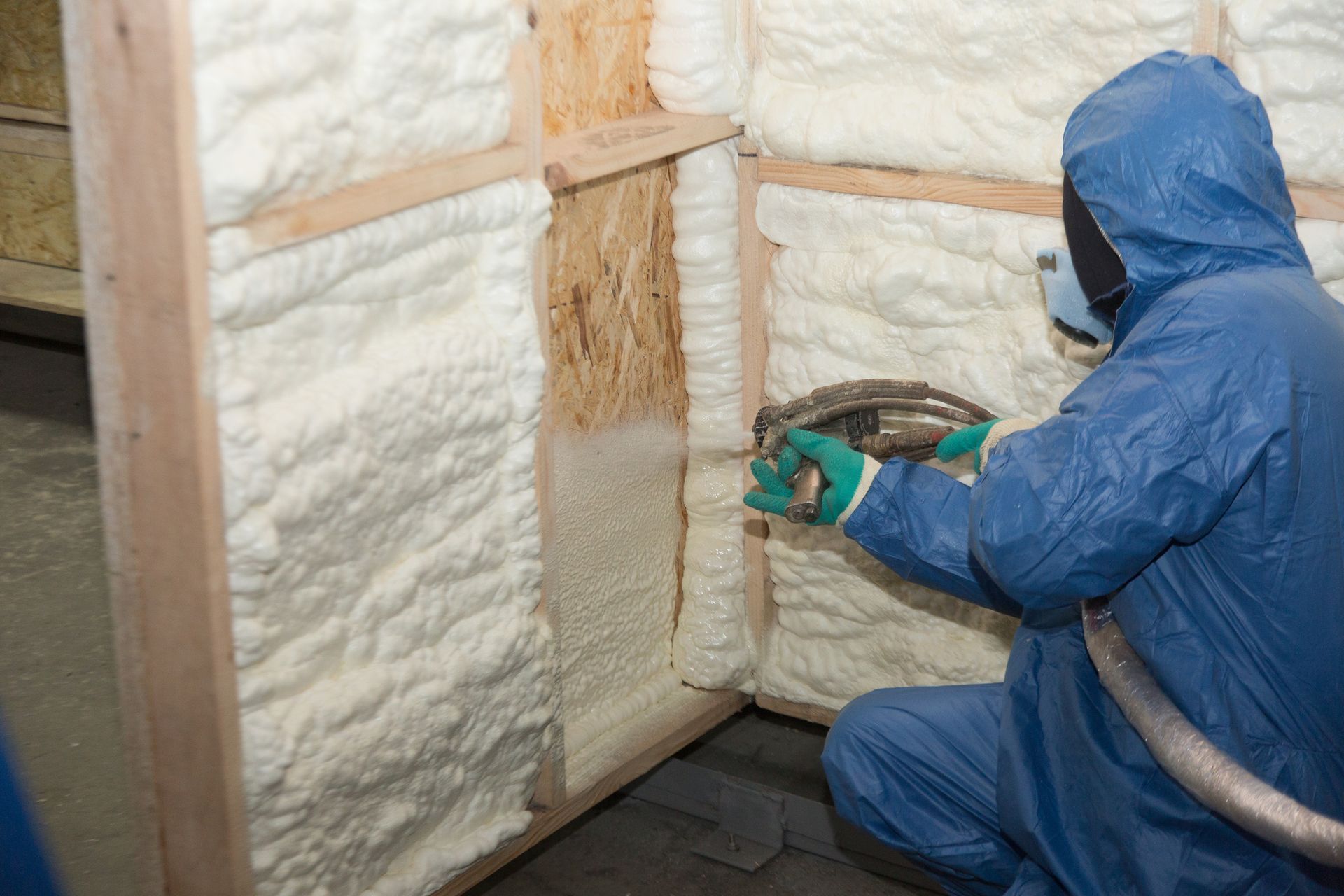
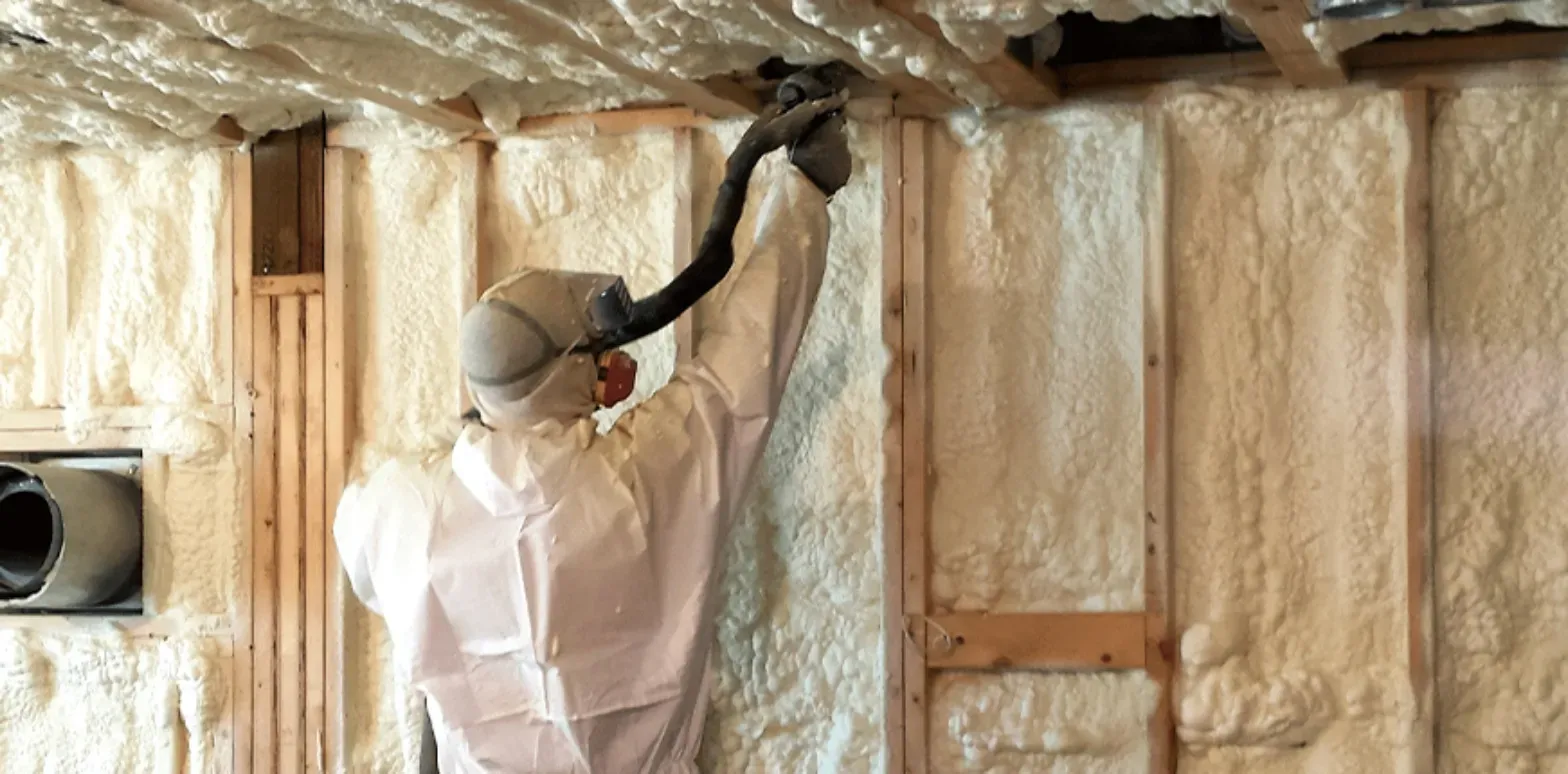
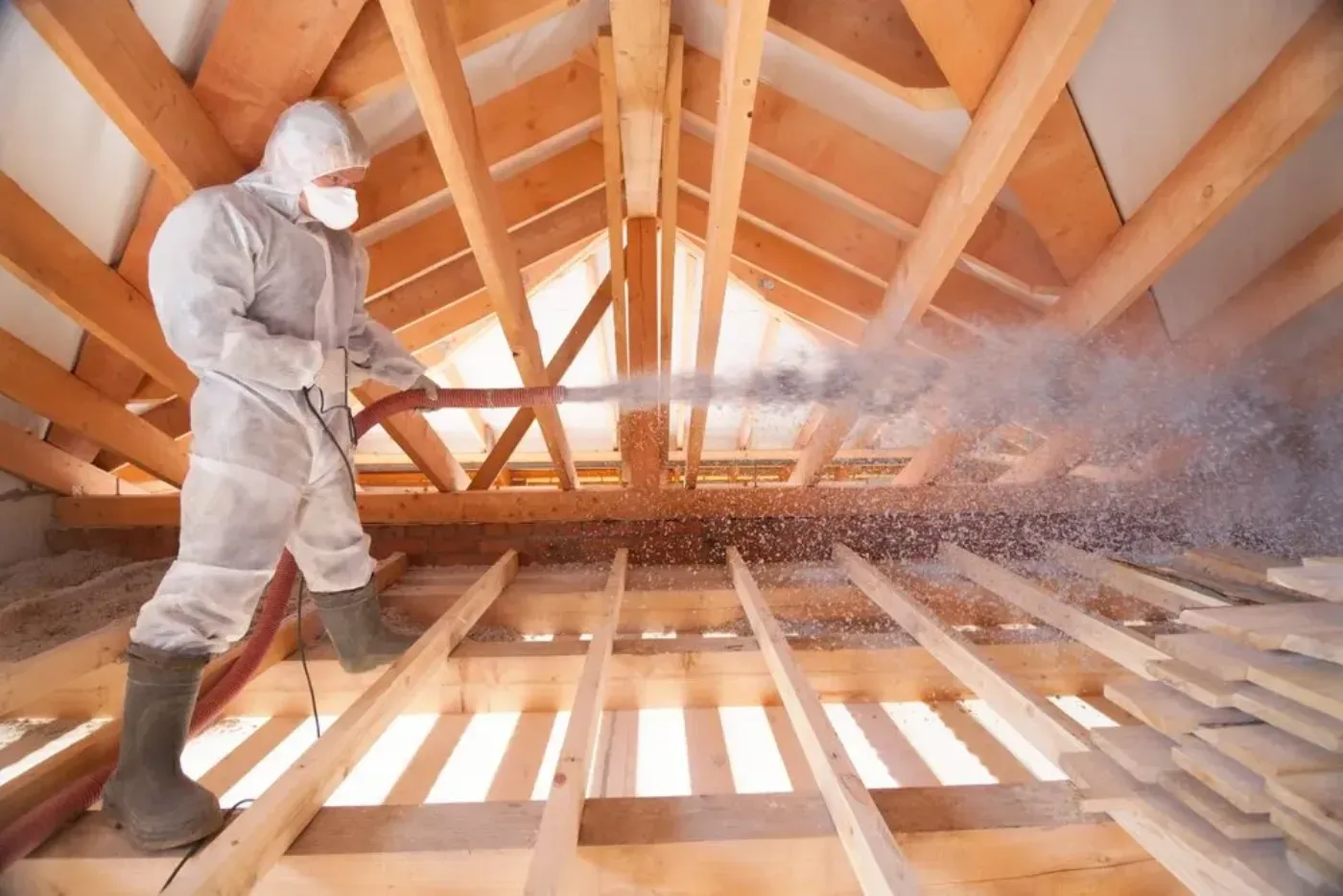
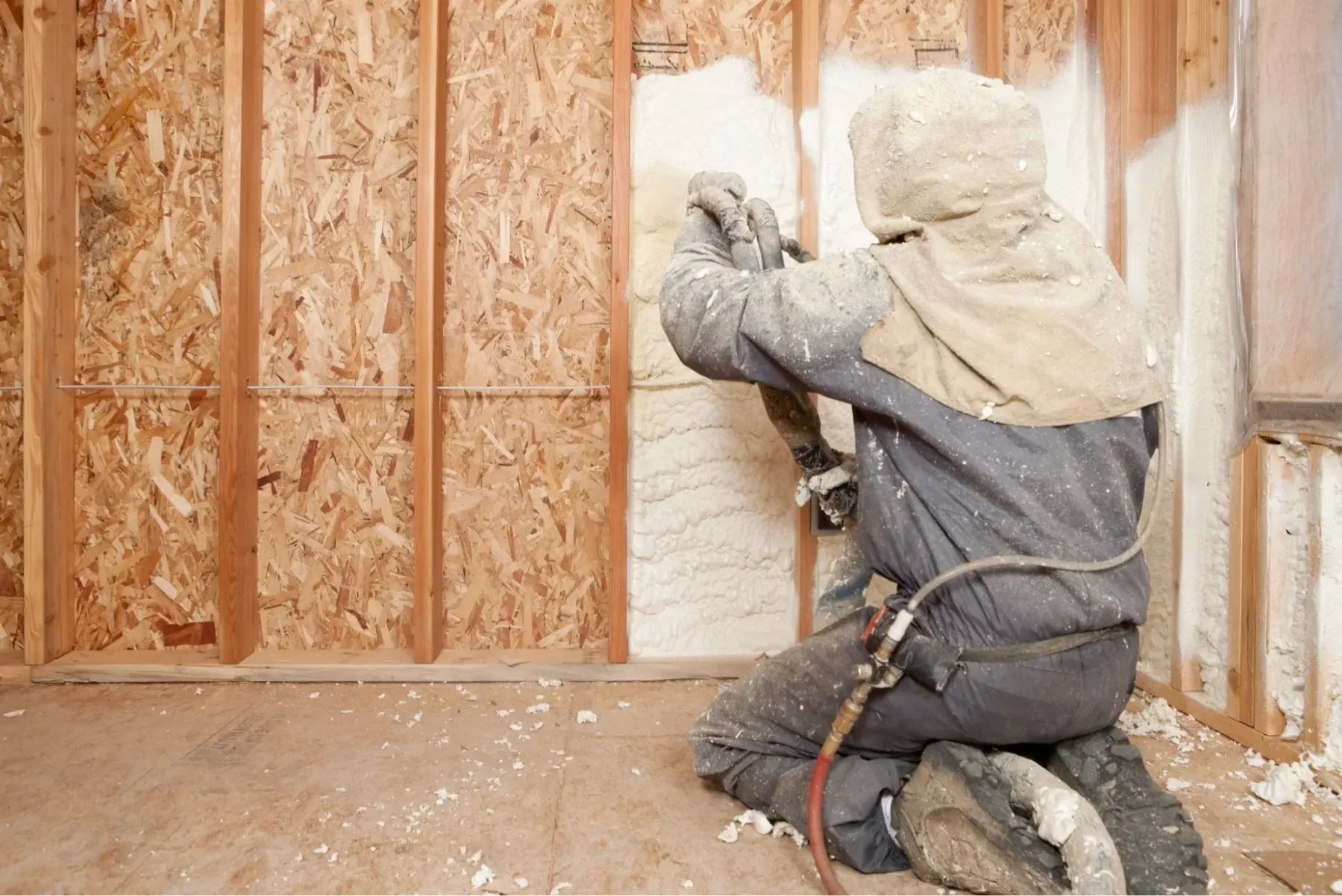
Both foam types start as a liquid that expands to fill gaps and seal air leaks. Open-cell foam has a soft, spongy texture because its tiny bubbles burst during curing, leaving an open network. Closed-cell foam keeps those bubbles intact, creating a rigid, dense barrier.
R-Value Comparison
Closed-cell spray foam delivers approximately R-6 to R-7 per inch, while open-cell foam delivers around R-3.5 to R-4 per inch. To reach the same thermal performance, open-cell foam requires roughly twice the thickness, making this R-value gap one of the most influential factors homeowners weigh when choosing spray foam insulation services.
Moisture and Vapor Control
Closed-cell foam acts as both an air barrier and a vapor barrier in a single application. Open-cell foam is permeable, meaning water vapor can pass through it. In Tampa, FL, where summer humidity routinely exceeds 90 percent, vapor control is a serious concern for attics, crawl spaces, and exterior walls.
Which Foam Type Is Right for Tampa's Climate?
- Attics: Closed-cell foam seals out humid outdoor air and adds structural rigidity to roof decks.
- Crawl spaces: Closed-cell foam is the better fit given ground moisture and flood risk in low-lying areas.
- Interior walls: Open-cell foam can work well here. At $0.44 to $0.65 per board foot versus $1.00 to $1.50 for closed-cell, it costs less and may improve soundproofing between rooms.
- Exterior walls and rim joists: Closed-cell foam combines insulation, air sealing, and moisture protection in one layer.
When Does Open-Cell Foam Make Sense?
Open-cell foam is a smart choice for interior partition walls or vaulted ceilings where vapor drive from outside is not the primary concern. It expands aggressively to fill irregular cavities and costs less upfront. Discussing these trade-offs with a spray foam insulation services provider helps homeowners match the right product to each area.
Cost and Long-Term Value
Closed-cell foam costs more per board foot, but its higher R-value per inch may reduce the total material needed to meet Florida building code. Its moisture resistance can also help prevent mold growth and structural damage, a significant benefit in Tampa's coastal climate.
Get Expert Guidance Serving Tampa, FL
The right foam depends on your budget, your building's layout, and where moisture is most likely to be a problem. On The Mark Spray Foam Insulation serves Tampa, FL, and offers both open-cell and closed-cell options backed by over two decades of experience. Our spray foam insulation services are tailored to Florida's climate, helping homeowners improve comfort, reduce energy costs, and protect against moisture damage. Call (352) 942-4593 or request a free estimate online to find out which foam is right for your home. Explore the full range of spray foam insulation services to see every option. Find us on Google: On The Mark Spray Foam Insulation<https://maps.app.goo.gl/SjjkxuujdueXaFwx5>.