
Why Proper Concrete Void Filling is Essential for Long-Term Structural Stability

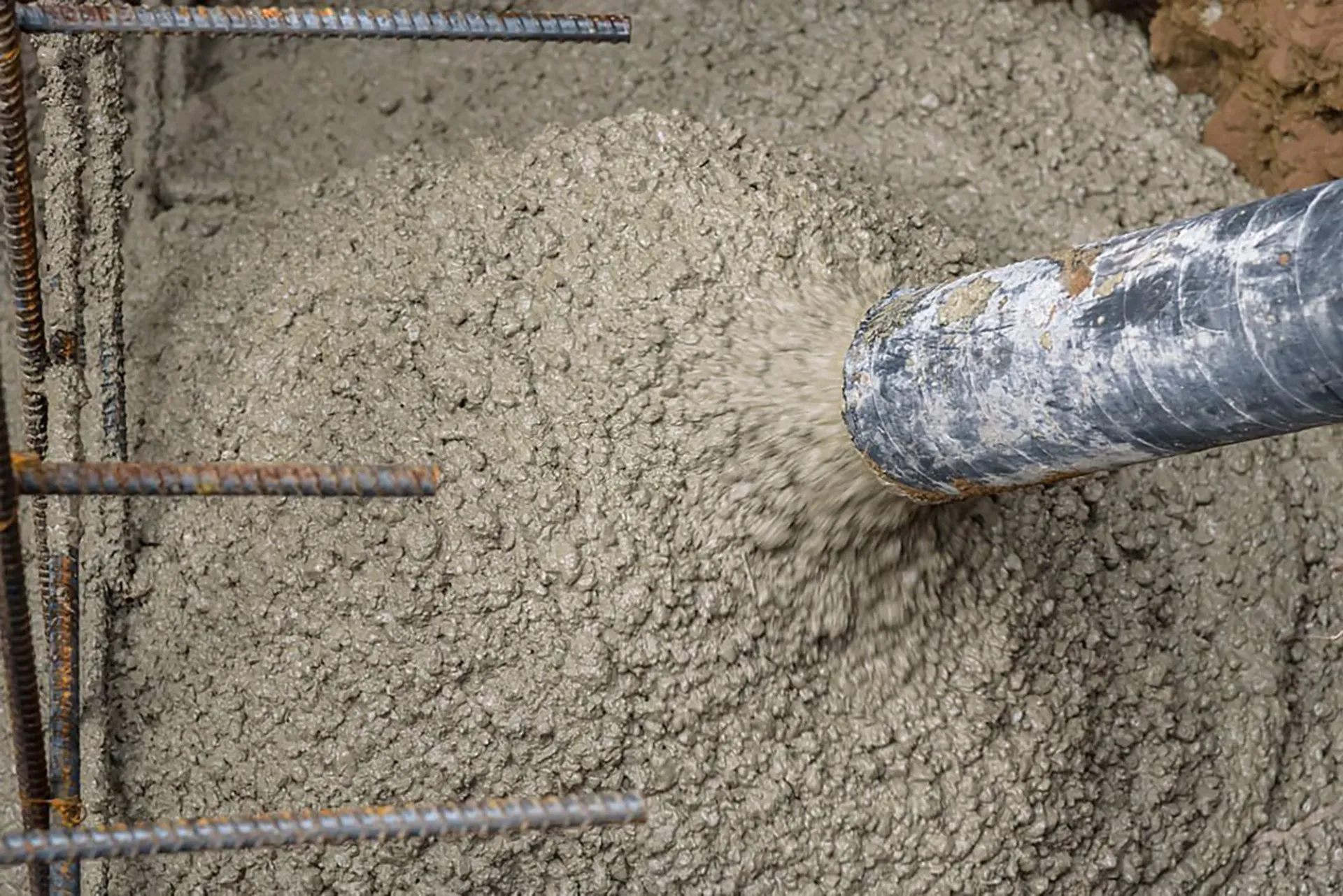
A person is pouring concrete into a hole in the ground.

Understanding Concrete Voids and Their Impact

Concrete voids form when gaps or air pockets develop beneath or within a concrete structure. These voids can be caused by soil erosion, poor compaction, water infiltration, or natural settling over time. If left unaddressed, voids compromise the structural integrity of concrete surfaces, leading to cracks, sinking, or complete failure.

Maintaining a stable foundation is critical for driveways, sidewalks, parking lots, and building slabs. Filling these voids properly ensures longevity, safety, and cost savings by preventing extensive repairs in the future.

Causes of Concrete Voids


1. Soil Erosion

Water runoff and poor drainage systems gradually wash away the soil underneath concrete, creating empty spaces that weaken the foundation. This is especially common in areas with heavy rainfall or improper grading.


2. Poor Compaction During Construction

When soil is not compacted adequately before pouring concrete, air pockets remain. Over time, these pockets can collapse, causing the concrete to settle unevenly.


3. Water Infiltration

Leaking pipes, excessive moisture, or underground water sources can erode soil, creating hidden voids beneath slabs and pavement.


4. Natural Ground Settling

As time passes, the ground beneath a structure may shift due to environmental factors. This movement can leave gaps beneath concrete slabs, making them susceptible to cracking and sinking.


Consequences of Unfilled Voids


1. Structural Instability

Voids undermine the load-bearing capacity of concrete surfaces, leading to hazardous conditions. Buildings, bridges, roads, and sidewalks with unfilled gaps may eventually experience severe structural damage.


2. Safety Hazards

Uneven concrete surfaces pose trip-and-fall risks, especially in high-traffic areas. Sinking driveways and sidewalks create liability concerns for property owners.


3. Accelerated Wear and Tear

Concrete surfaces under stress from unfilled voids develop cracks and fractures. These imperfections worsen over time due to exposure to weather, traffic, and shifting weight loads.


4. Increased Repair Costs

Delaying void filling leads to more extensive damage, requiring expensive slab replacements rather than simple injections or leveling procedures.


Effective Solutions for Filling Concrete Voids


1. Polyurethane Foam Injection

This method involves injecting expanding polyurethane foam into voids. The foam fills the gaps, hardens, and provides durable support to the structure. Polyurethane injection is widely used due to its quick application, lightweight nature, and long-lasting results.


2. Mudjacking (Slabjacking)

Mudjacking uses a slurry mixture of cement, sand, and water to lift and stabilize sunken concrete. This traditional method is effective for larger voids, though it is heavier than polyurethane foam and may require more curing time.


3. Cementitious Grouting

This technique involves pumping cement-based grout into voids, solidifying the underlying foundation. It is commonly used for large infrastructure projects where high-strength support is required.


4. Epoxy Injection

For structural cracks within concrete, epoxy injection restores integrity by bonding fractured sections together. This method is particularly effective in stabilizing buildings and bridges.


Choosing the Right Void Filling Method

Selecting the best solution depends on factors such as the size of the void, soil conditions, weight-bearing requirements, and the urgency of the repair. Polyurethane foam injection is often preferred for its rapid results, while mudjacking and cementitious grouting provide cost-effective solutions for larger areas.


Why Timely Void Filling Matters

Ignoring voids can lead to irreversible damage, requiring complete slab replacements. By addressing these issues early, property owners extend the life of their concrete structures and avoid unnecessary expenses.


Protect Your Investment with Professional Void Filling

On the Mark Spray Foam specializes in high-quality polyurethane foam injection for concrete stabilization. Our expert team ensures precise void filling to restore strength and durability to driveways, sidewalks, foundations, and commercial surfaces. Contact us at (813) 921-0444 or email info@onthemarksprayfoam.net for a consultation.

FAQs


1. How do I know if my concrete has voids underneath?

Signs include cracks, sinking areas, uneven surfaces, and hollow sounds when tapped.


2. How long does polyurethane foam injection last?

Polyurethane foam provides long-term stability, often lasting decades without degradation.


3. Is mudjacking better than polyurethane foam injection?

Mudjacking is effective for large areas, but polyurethane foam is lighter, more durable, and cures faster.


4. Can I fill concrete voids myself?

While DIY solutions exist, professional services ensure proper filling, preventing further issues.


5. How much does void filling cost?

Costs vary depending on the size and method used. Contact On the Mark Spray Foam for an estimate.


6. Will void filling prevent future sinking?

Yes, proper void filling stabilizes the structure and minimizes future settlement risks.


7. Is polyurethane foam safe for the environment?

Yes, modern polyurethane foams are environmentally safe and designed for minimal impact.


8. How quickly can void filling be completed?

Most jobs are completed in a few hours with minimal disruption.


9. What types of concrete surfaces can be repaired?

Void filling works for sidewalks, driveways, parking lots, building foundations, and more.


10. Does insurance cover concrete void filling?

Coverage varies; check with your insurance provider to determine eligibility.


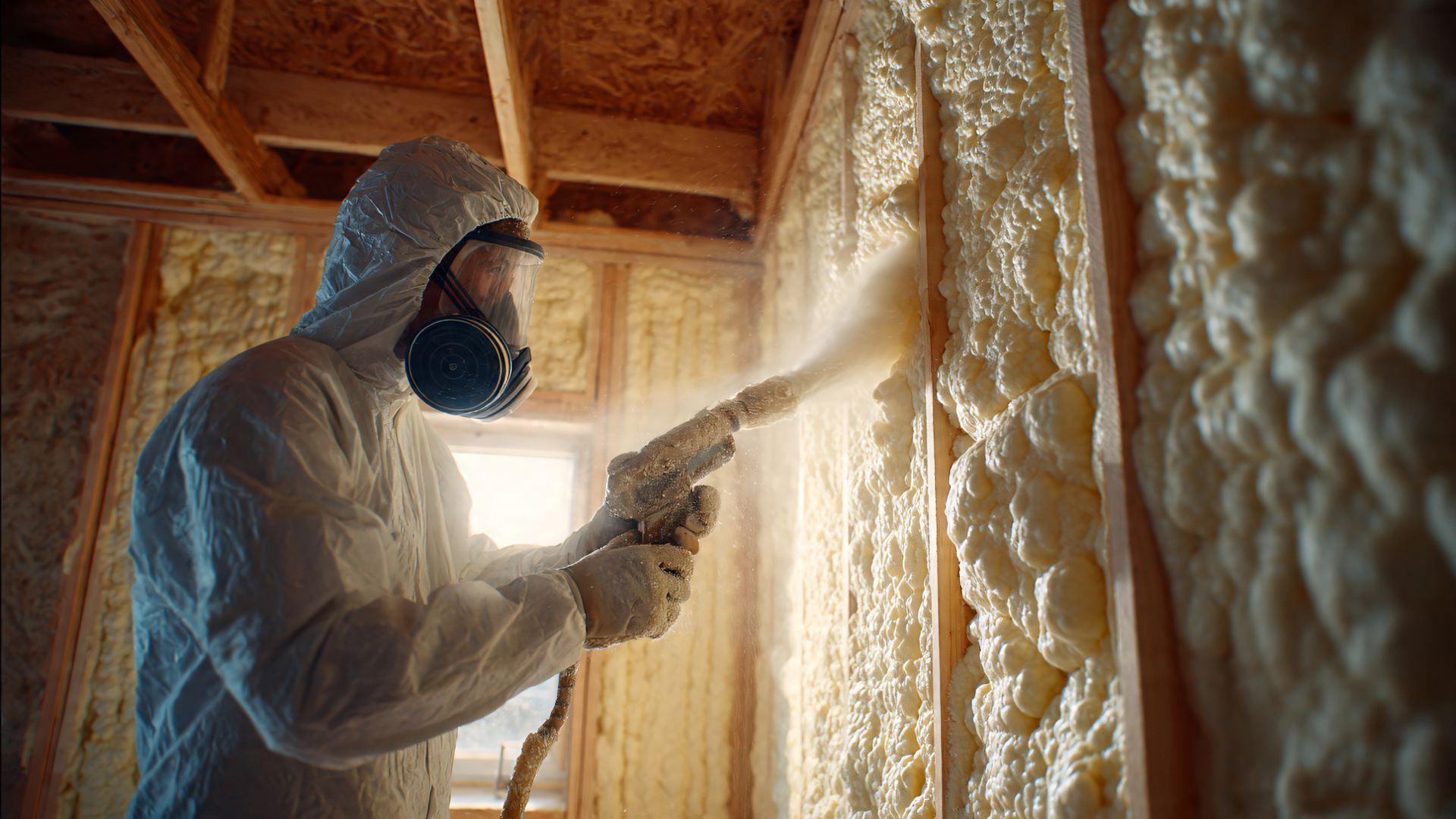
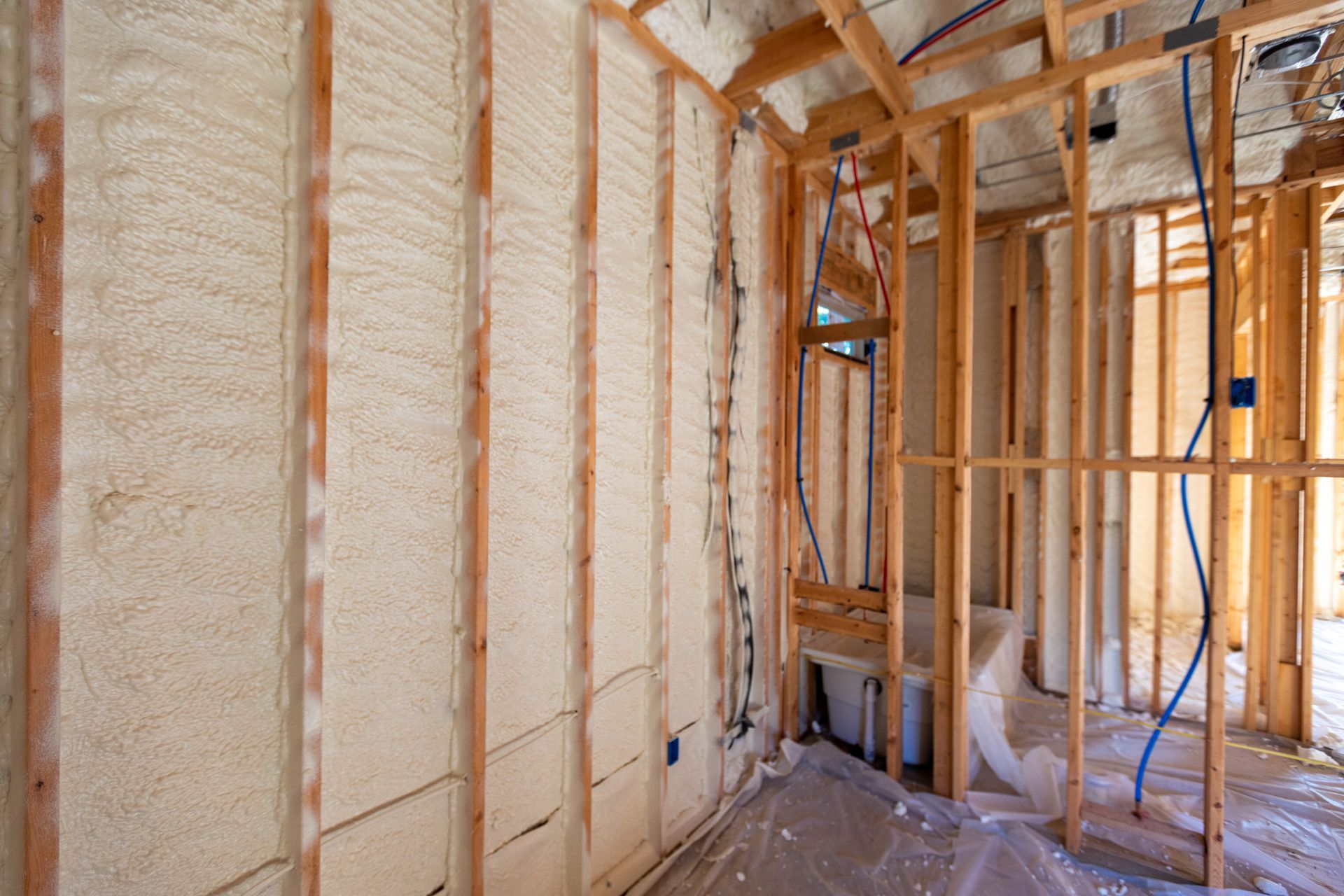
Interior of a house under construction with exposed wooden studs and spray foam insulation on the walls.
June 15, 2026
Need insulation contractor services in Tampa, FL? On The Mark Spray Foam blocks humidity, cuts energy bills & prevents mold. Free estimate!
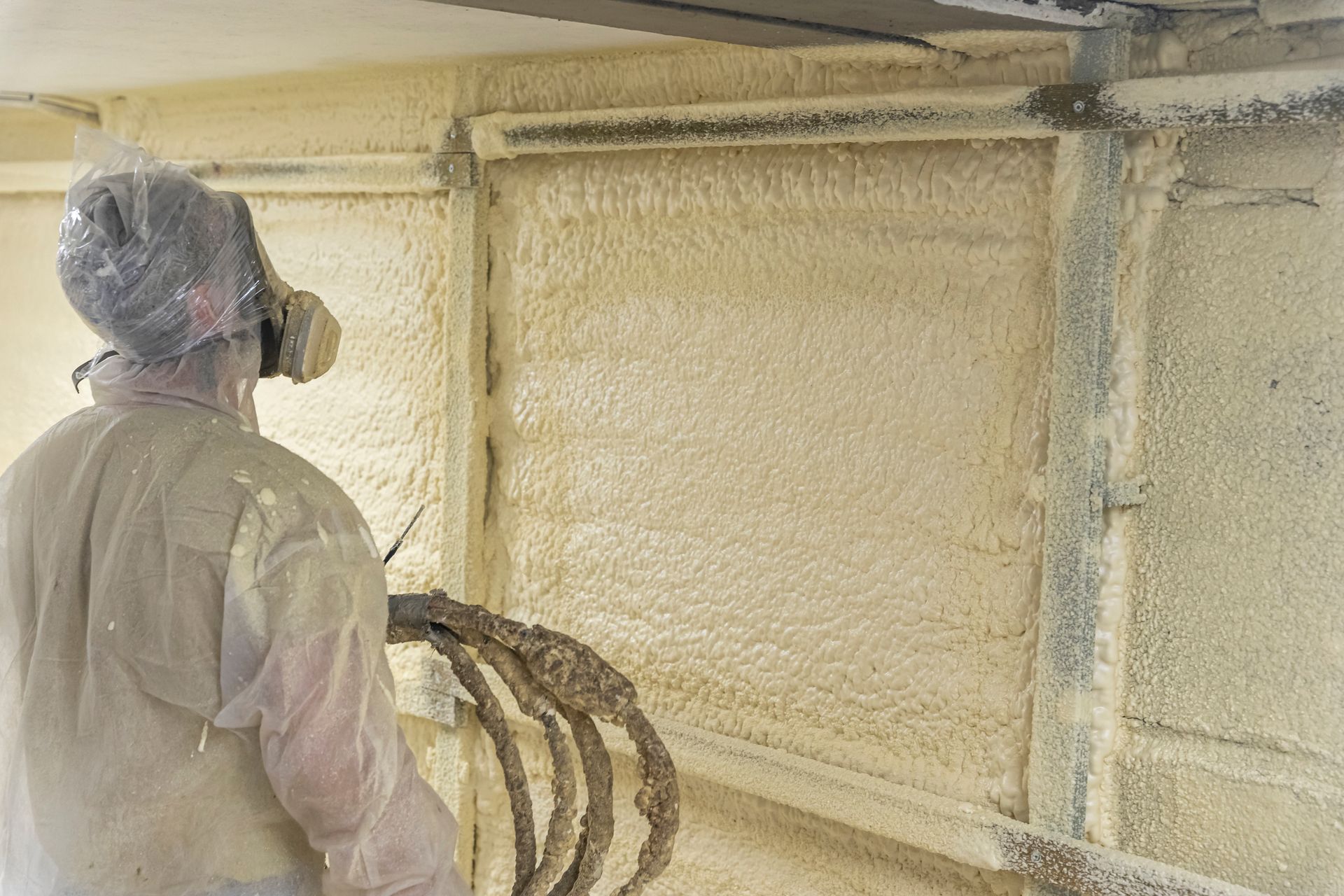
Worker in protective gear spraying foam insulation inside a wall cavity
June 15, 2026
Need a spray foam insulation contractor in Tampa, FL? Get pricing, foam types & rebate info. Call On The Mark for a free estimate!
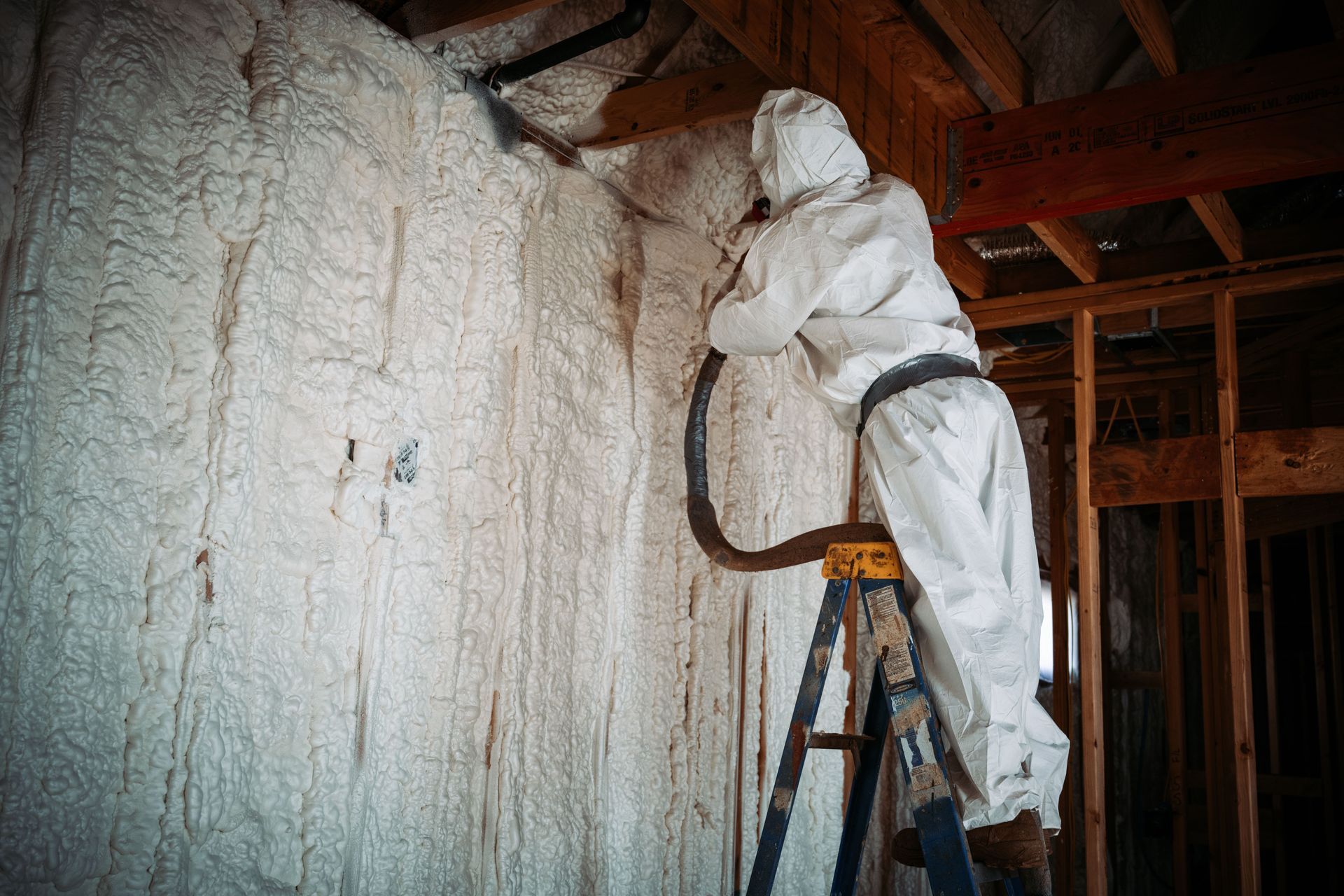
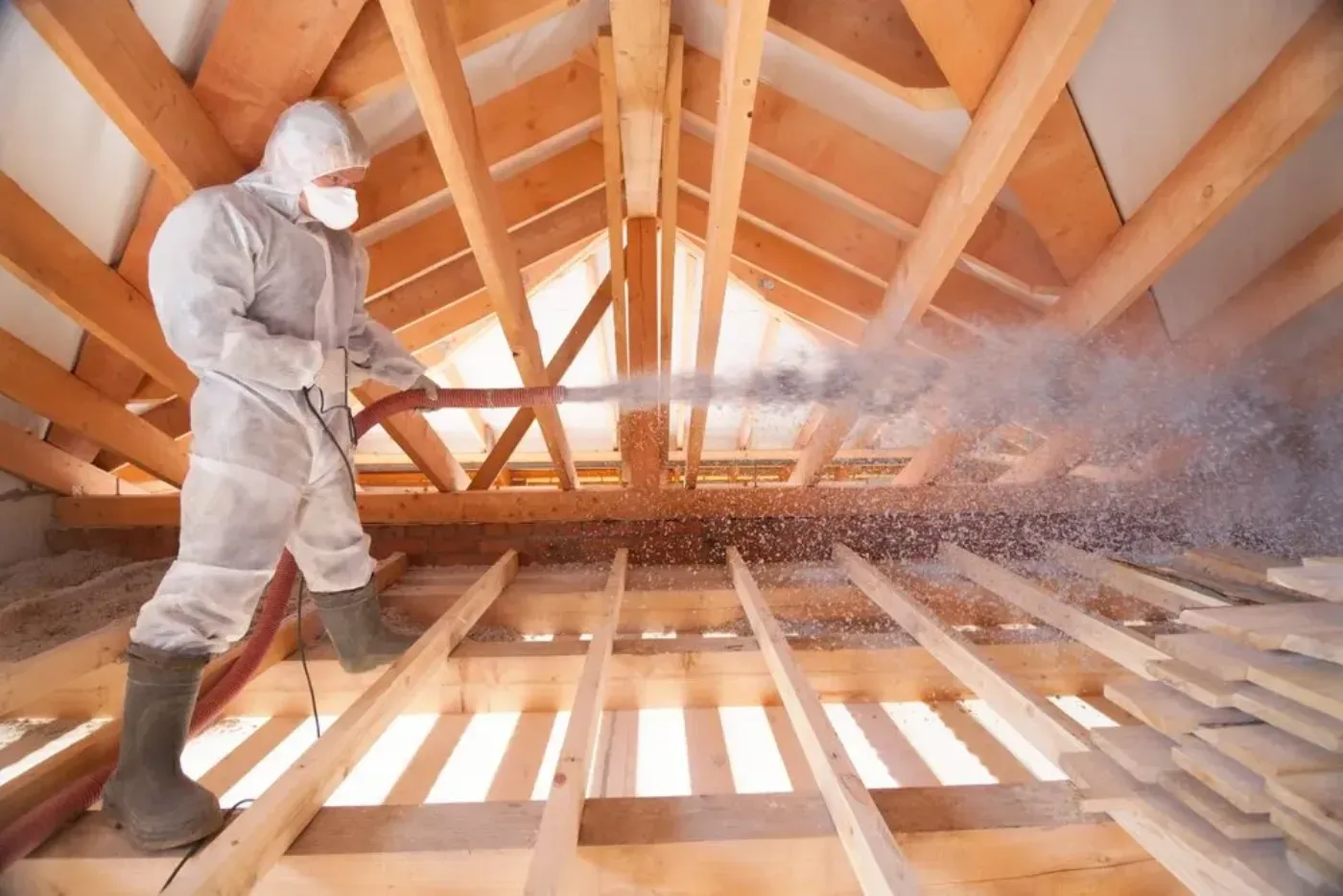
Worker in white protective suit spraying insulation on a wall in an unfinished attic
June 15, 2026
Compare open-cell vs. closed-cell spray foam insulation services for Tampa, FL. Learn R-values, moisture control & costs. Get a free estimate!
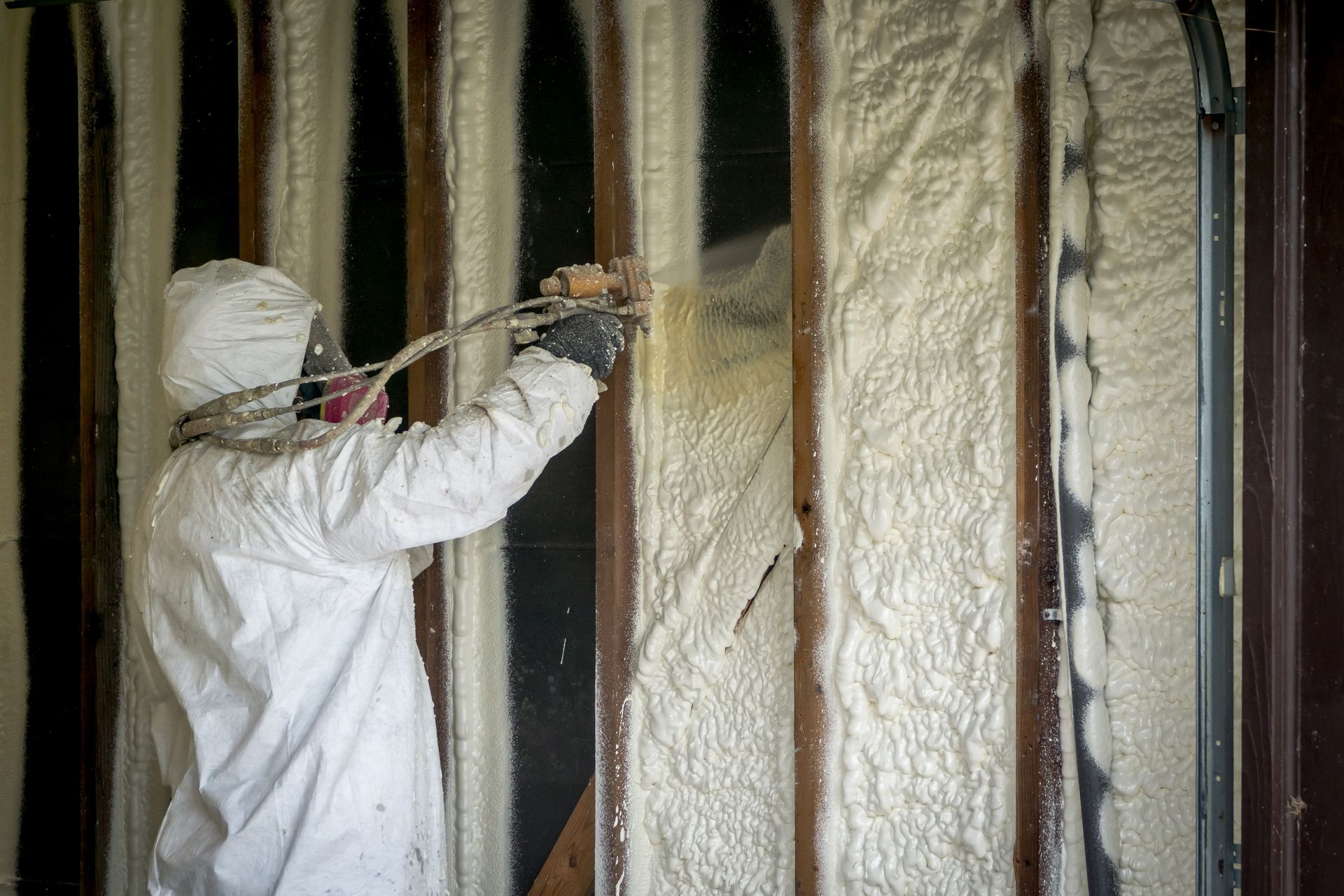
Worker sprays foam insulation into wall cavities during home renovation.
May 21, 2026
On the Mark Spray Foam Insulation: Tampa insulation contractor. Compare insulation options. Call (352) 942-4593 or click here to learn more.
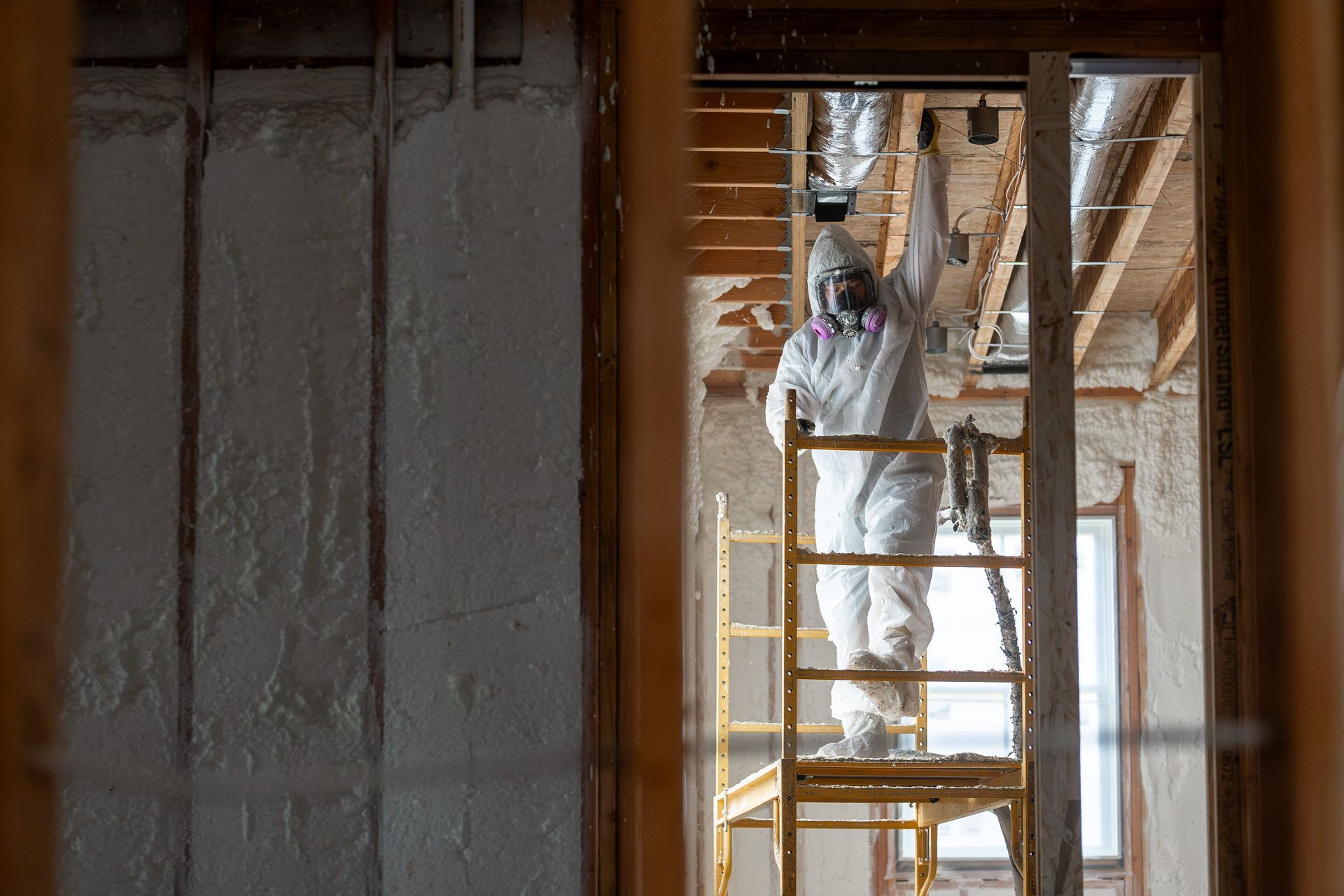
Man working on home insulation to boost energy efficiency and reduce utility costs.
August 25, 2025
Save on energy bills with a residential insulation contractor in Tampa. Contact On the Mark Spray Foam Insulation at 352-942-4593 today for expert service.
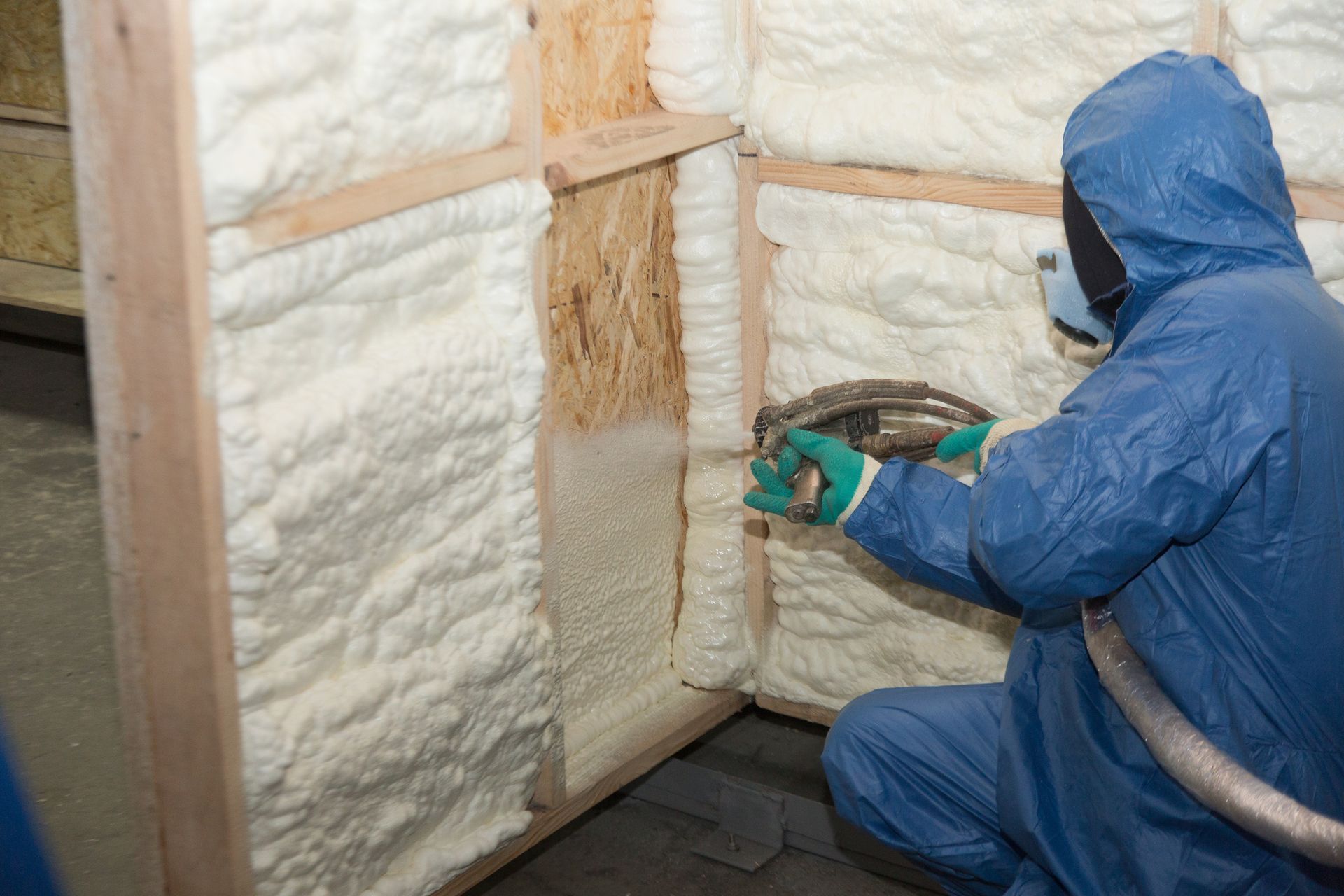
Worker in blue protective gear sprays foam insulation on a wooden frame wall.
July 2, 2025
Looking for a commercial insulation contractor in Tampa? Call (352) 942-4593 today for expert spray foam solutions with On the Mark Spray Foam.
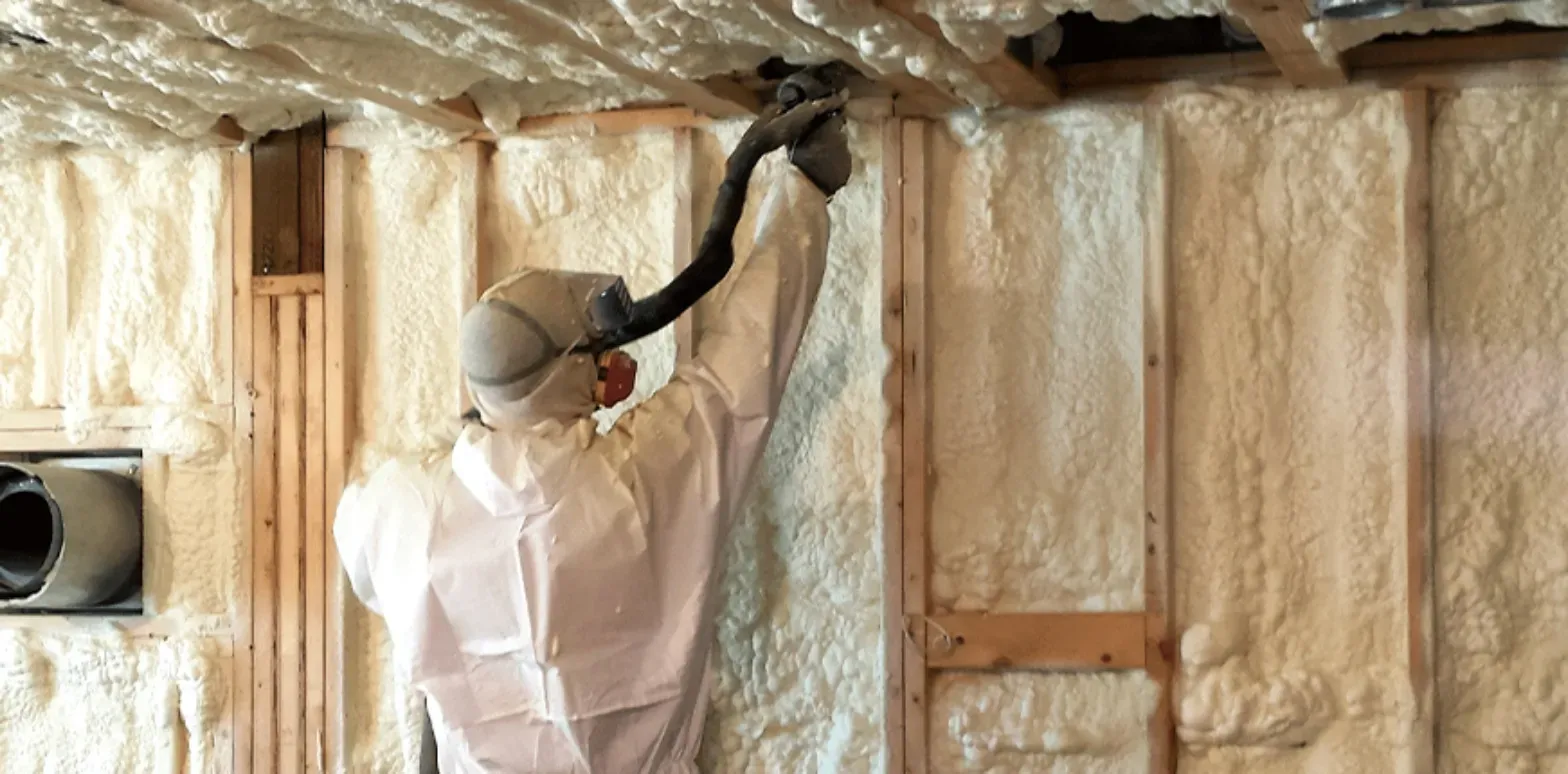
A man is spraying insulation on the ceiling of a house.
May 16, 2025
Introduction Energy efficiency is a priority for homeowners and businesses looking to reduce utility costs and improve indoor comfort. Professional spray foam insulation is a highly effective solution that minimizes energy loss, strengthens building structures, and enhances indoor air quality. Understanding how spray foam insulation works and why it outperforms traditional insulation methods helps property
A man is spraying insulation into the attic of a house.
May 16, 2025
Introduction Homeowners in Hernando County, FL, face unique climate challenges, from sweltering summers to occasional cold snaps in winter. Ensuring proper insulation is crucial for maintaining indoor comfort and reducing energy costs. Blown-in insulation is an effective solution that provides superior coverage and performance compared to traditional insulation methods. This guide explores the benefits of
A man is spraying insulation on a wall in a room.
May 16, 2025
Understanding Spray Foam Insulation Spray foam insulation is a highly effective method for improving energy efficiency in residential and commercial buildings. It forms an airtight seal that helps regulate indoor temperatures, reducing heating and cooling costs. In Bradenton, FL, where high humidity and heat are common, selecting the right type of spray foam insulation is
A man is spraying foam insulation on a wall.
May 16, 2025
Introduction Spray foam insulation is widely used for its energy efficiency and air-sealing properties. Homeowners and contractors often ask whether spray foam is fire-resistant and how it impacts overall building safety. Understanding its fire resistance can help in making informed decisions about insulation choices. Understanding Fire Resistance in Spray Foam Insulation Spray foam insulation consists